You just got two quotes for a new roof: one for $9,800 and another for $16,200. It's the same roof, so why is there such a big price difference? Is the cheaper company bad quality, or is the more expensive company trying to rip you off?
The answer to both is, "Maybe!"
If you've ever gotten roofing quotes that are thousands of dollars apart for what looks like the same job, you're not alone. It's frustrating for homeowners. But there are good reasons for these price differences. Understanding them helps you make the best choice for your home and budget.
To know if your quote is fair, you need to understand what affects the cost of a roof: materials, removing the old roof, labor, parts, warranty, roof difficulty, and permits.
We're Equity Roofing, a roofing company in Central PA, Indiana, and Michigan. We've helped hundreds of homeowners compare their roofing quotes to make sure they get what they pay for. While we offer roofing services, this guide is to help any homeowner make the best decision, even if it’s not with us.
Think of this article as one of our roofers sitting at your kitchen table. We'll explain each part of a roof's cost, what to watch for in cheap bids, and how to compare quotes so you know what you're paying for.
Clickable Table of Contents
- What Should be Included in a Roof Replacement Estimate?
- How to Compare Roofing Quotes Like a Pro
- Roof Quote Samples
- 7 Costly Mistakes Homeowners Make When Comparing Roof Quotes
- Deciding on the Best Contractor for You
What Should be Included in a Roof Replacement Estimate?
The major factors of a roof—materials, tear-off requirements, labor, system components, warranty coverage, roof complexity, and permits—should be included in your roof estimate.
Roof Materials: All roofing materials should be listed by type, manufacturer, and color.
Underlayment/Ice and Water Membrane Installation: Your roofing contract should clearly specify the number of rows of ice and water shield to be installed and where they will be placed on the roof (e.g., eaves, valleys).
Tear-Off or Overlay: Any labor associated with tear-off or overlay should be included. Any disposal of materials should be named and included.
Warranty Coverage: Your selected warranty and its terms should be listed in your quote. Extended warranties often require a specific number of manufacturer products to be used. This should be reflected in your quote.
Terms of Project: The terms of your project should be clearly listed, including permits, change orders, exclusions, hazards, interior damage coverage, payment terms, down payment requirements, and agreement for the contractor to register the roof’s warranty.
How to Compare Roofing Quotes Like a Pro
Don't compare prices until you've confirmed both quotes include the same scope of work. Use this comparison checklist to compare line by line. Homeowners in areas like State College, PA, South Bend, IN, and Stevensville, MI, have found this especially helpful when reviewing quotes side by side.
Quote Comparison Chart (available as a free PDF Download)
| Category | Comparison | Company A | Company B |
| Underlayment | Ice & water shield used in valleys (1 row) and eaves (2 rows) | ⬜ | ⬜ |
| Synthetic underlayment on every part of the roof not covered by Ice & Water shield | ⬜ | ⬜ | |
| Labor & Materials | Tear-off or overlay included in quote | ⬜ | ⬜ |
| Starter shingle install is listed separately from the standard roof shingle install | ⬜ | ⬜ | |
| All materials are itemized, including brand names: Shingles/Metal, Hip and Ridge Capping, Starter Strip, Ice and Water Membrane, Synthetic Underlayment, Flashings and Fasteners, Ridge Vent, Pipe Flashing Collars, etc. | ⬜ | ⬜ | |
| Warranty listed with registration details | ⬜ | ⬜ | |
| Company Credentials | Licensed and insured for roofing in your state | ⬜ | ⬜ |
| Any manufacturer credentials, and at what level | ⬜ | ⬜ | |
| Uses trained, dedicated crews | ⬜ | ⬜ | |
| Any subcontractors used have a long-term relationship, training through the company, and on-site oversight. |
⬜ | ⬜ | |
| Pricing Transparency | No vague line items (e.g., "TBD" costs) | ⬜ | ⬜ |
| Clear and fair change order policy | ⬜ | ⬜ | |
| Terms of the project listed: permits, exclusions, hazards, interior damage coverage, payment terms, down payment requirements | ⬜ | ⬜ |
If all the line items and scope match, then you should compare prices. You should also consider factors such as Google reviews, certifications, and the overall reputation of the contractors.
Sample of a High-Quality Roofing Quote
7 Costly Mistakes Homeowners Make When Comparing Roof Quotes
A red flag in your roofing quote includes a lack of information on tear-off, permit fees, generic/off-brand materials, and no warranty details. Avoid these common mistakes homeowners make when deciding between roofing quotes:
1. Only Looking at the Final Price of Your Roof Can Lead to Cut Corners
Low-priced quotes often cut corners by skipping tear-off, eliminating starter shingles, or reusing old flashings. Some contractors may keep a quote low by skipping the tear-off process.
Tear-off is required for shingle replacements to meet code and warranty requirements. Installing new shingles over old ones, or any roofing over damaged substrates, causes quality issues and voids warranties. Many manufacturers won't warranty roofs installed over old materials.
An overlay (when a tear-off is skipped) is only appropriate when installing metal roofing over healthy shingles.
2. Ignoring Material Differences Could Lower Your Roof’s Lifespan
Some contractors use cheaper shingles or source materials differently than others. When reviewing quotes, ask these important questions:
- What brand of shingles are being used?
- Are they name-brand products like Owens Corning?
- Are they backed by a manufacturer's warranty?
- Where are the materials being sourced from?
Higher-quality materials from roofing distributors cost more than bargain options from big box stores, but they also perform better and last longer.
3. Overlooking the Warranty Terms of Your Roof Can Void Your Protection
Different warranty levels can significantly impact price. Premium contractors certified by manufacturers like Owens Corning can offer extended warranties up to 50 years. These warranties are an additional cost to a homeowner's roof quote.
Other contractors may only offer standard warranties that only cover material defects. These are included with the purchase of the materials, but don’t cover the cost of labor or any issues caused by improper installation.
Before accepting any warranty promises, verify the contractor's certification on the manufacturer’s website (we’ve provided an online directory here). If they aren’t listed online, ask to see proof of their certification level and understand exactly what coverage they can legally provide.
4. Not Reviewing Your Quote Line by Line Leaves Your Roof Vulnerable
A vague quote leaves room for expensive surprises. Look for detailed breakdowns that include:
- Starter shingles
- Underlayment materials
- Ridge venting
- Tear-off and disposal
- Decking repairs
- Cleanup and property protection
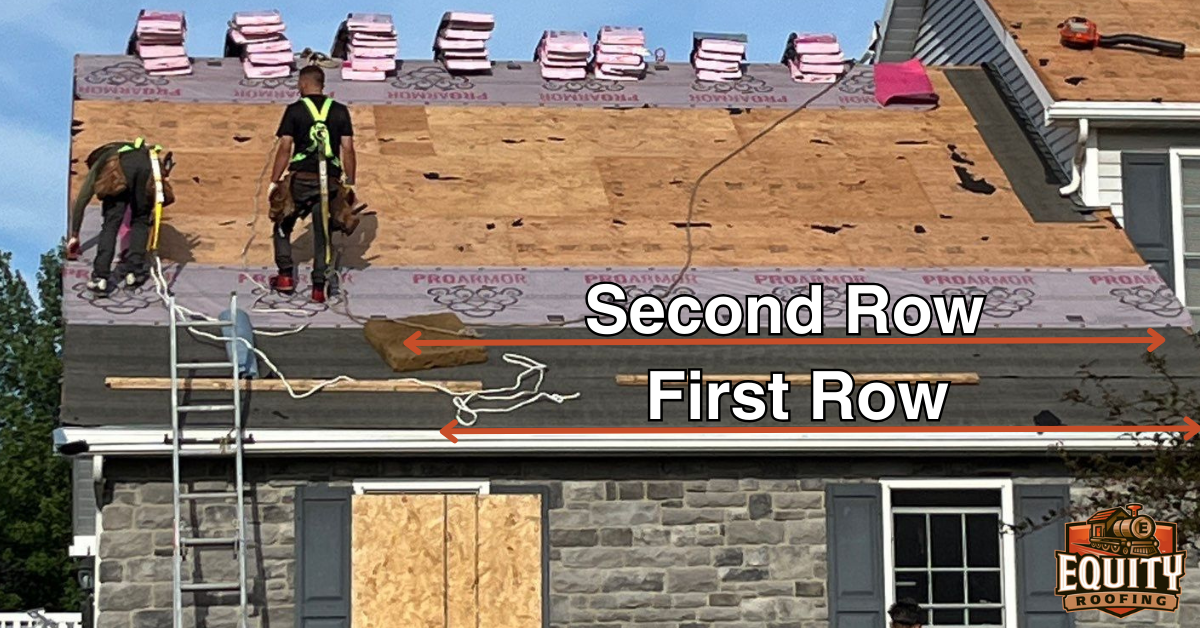
- Ice and water shield with the number of rows and location
It is best practice to install two rows of ice and water shield along eaves for maximum leak protection. While a single layer of ice and water shield technically meets most building code requirements, it provides less protection and is more susceptible to leaks over time due to aging or damage.
5. Skipping Your Roof's Inspection Process Leads to Inaccurate Quotes
Some roofers will quote you without ever getting on the roof. That's a red flag. A professional quote should be based on a thorough inspection that includes:
- Physical inspection or drone footage of the roof surface
- Attic review to assess decking, venting, and potential rot
- Photographs documenting existing issues
- Measurements and assessment of the roof's condition
Companies that estimate from the ground are essentially making educated guesses, which often lead to inaccurate pricing.
6. Not Asking About Hidden Costs May Lead to Additional Fees
Be cautious of quotes that don't clearly address potential additional costs. Common items that get left out and presented as change orders later include:
- Decking replacement (often the biggest hidden cost)
- Tear-off labor
- Disposal fees
- Permits and inspections
Reputable companies build some contingency into their quotes because they know that some issues only become visible once work begins.
7. Failing to Vet the Contractor May Mean a Poor Experience
You should always verify important credentials before signing any contract:
- Ask to see their license and insurance documentation
- Check online reviews and ratings
- Confirm they're not using high-pressure sales tactics
- Verify they're responsive, professional, and follow up promptly
- Research how long they've been in business
Deciding on the Best Contractor for You
Getting roofing quotes that seem wildly different for the same job can be confusing and frustrating. This is especially true when a quote seems “too good to be true,” and you’re not sure what you’re missing.
Now that you’ve learned how to spot the most common mistakes and what should be included in every reliable roofing estimate, you’re far better equipped to avoid costly surprises, poor workmanship, or warranties that don’t hold up when you need them.
Your next step is to plan your best payment strategy by exploring the 2025 Roof Financing Guide. This article includes the pros and cons of each option and how to choose the best payment strategy for your situation.
At Equity Roofing, we’re here to make sure you get the roof you deserve, whatever it takes. If you're still comparing quotes or have questions, we’re just a phone call away.
.png?height=200&name=What%20to%20Expect%20With%20a%20New%20Roof%20Replacement%20(12).png)
.png?height=200&name=Which%20flat%20roof%20is%20best%20Comparison%20by%20cost%20%26%20maintenance%20%20(1).png)
Leave a comment.