.png?height=200&name=How%20much%20does%20a%20standing%20seam%20metal%20roof%20cost%20in%20central%20pa%20(1).png)
Updated on 12/16/2025
.png?width=1200&height=628&name=Feature%20Image%20for%20Blogs%20(September).png)
If you're getting a metal roof installed, one of the smallest parts might have the biggest impact on how long it lasts: the fasteners. If you've ever had a leak in your metal roof, you know how hard it can be to find where the water is getting in.
Most of the time, it's not the metal panel that fails, but the screws that connect them together. Regular roofing fasteners often leak, rust, or work loose over time. They become the "weak link" in what should be a strong, long-lasting system. That's where Pro-Z fasteners come in.
At Equity Roofing, we've been using Pro-Z fasteners for over three years, and we recommend them on almost every exposed-fastener metal roof we install. In this article, we'll explain exactly what they are, how they work, and whether they're worth the extra cost.
Clickable Table of Contents
- What Are Pro-Z Fasteners?
- What Makes Pro-Z Fasteners Different From Standard Screws?
- How Much Do Pro-Z Fasteners Cost?
- Should I Use Pro-Z Fasteners on my Metal Roof?
- What Should You Ask Your Roofer Before Getting an Exposed Metal Roof?
- Frequently Asked Questions About Pro-Z Fasteners
If you’re planning on a new metal roof, this is a must-read.
What Are Pro-Z Fasteners?
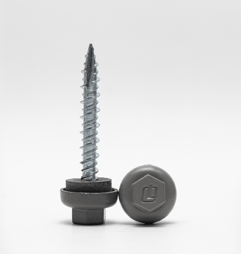
Pro-Z fasteners are high-performance roofing screws designed specifically for exposed-fastener metal roofs. They represent the latest step forward in fastener design, solving many of the problems that came with older styles.
The evolution of metal roofing fasteners tells an interesting story. Originally, roofers used nails with rubber gaskets. These failed quickly because UV light and moisture would break them down. Next came screws with rubber gaskets, which were better, but still had issues with over-driving, gasket exposure, and rust.
Pro-Z fasteners combine advanced design and materials to protect your roof better and last longer than previous options.
What Makes Pro-Z Fasteners Different From Standard Screws?
Glance through a quick side-by-side comparison of Pro-Z and standard fasteners:
Pro-Z vs. Standard Fasteners: Side-by-Side Comparison
| Feature | Pro-Z Fasteners | Standard Fasteners |
| Gasket Protection | Full metal cover | Exposed to UV |
| Rust Resistance | Zinc-aluminum cap | No long-term rust resistance |
| Overdriving Protection | Built-in stop mechanism | Common to overdrive |
| Warranty Coverage | Leak & rust warranty | None or limited specs |
| Upfront Cost | 2x standard price | Lower initial cost |
| Long-term Value | Better durability | Higher maintenance risk |
What are the Benefits of Pro-Z Fasteners?
- Leaking Issues: Regular screws can easily be driven too far, squishing the rubber gasket and exposing it to UV light. This causes the gasket to dry out and crack, allowing water to reach the wood underneath. Pro-Z fasteners solve this with a built-in metal cap that acts as a stopping point, preventing over-driving.
- Zinc-Aluminum Galvanized Cap: The torque from installing standard screws damages their paint coating, creating invisible scratches that lead to rust and ugly brown streaks down your roof. Pro-Z fasteners use a zinc-aluminum alloy galvanized cap that's guaranteed not to rust—the same material used in metal roof panels.
- Color Matching: Available in over 40 colors to match your roof's paint finish.
Potential Drawbacks of Pro-Z Fasteners
- Cost about twice as much per screw as standard fasteners
- Slightly larger screw head makes them more visible, though they can be blended with matching paint
How Much Do Pro-Z Fasteners Cost?
On a $20,000 roof, upgrading to Pro-Z Fasteners adds just $200-500 total. When compared to potential repair costs from failed fasteners years later, the return on investment is strong, especially since Pro-Z fasteners come with a 50-year warranty that standard screws don't offer.
Cost for Exposed Fastener Metal Roof With PRO-Z Fasteners
| Home Type and Size | Exposed Fastener with PRO-Z |
| Small Ranch 2,200–2,900 sq ft |
$10,000–$13,000 |
| Medium Cape Cod ~3,200 sq ft |
$15,000–$18,000 |
| Large Complex Roof 3,600–5,000+ sq ft |
$20,000+ |
 Should I Use Pro-Z Fasteners on my Metal Roof?
For most exposed-fastener metal roof installations, Pro-Z fasteners are worth the investment. They're especially valuable when:
- You want long-term durability for your metal roof
- You're installing a permanent structure (not a temporary building)
- You want to avoid potential installation issues and maintenance headaches
- You value having a warranty to cover leaks and rusting caused by fasteners
The only situations where standard fasteners might be a superior option are temporary structures, such as sheds, or situations where the lowest possible upfront cost is the primary priority.
What Should You Ask Your Roofer Before Getting an Exposed Metal Roof?
Most homeowners don't know that fastener quality varies significantly. Always confirm what fastener your contractor intends to use. Many roofers still use standard fasteners because they're used to traditional methods, want to keep costs low, or assume customers won't ask.
If your roofer is not using Pro-Z fasteners, request them or consider hiring another contractor. Remember: your roof is only as strong as its weakest link.
Frequently Asked Questions About Pro-Z Fasteners
The Next Step Towards Your New Metal Roof
For exposed-fastener metal roofs, Pro-Z fasteners represent a significant improvement over traditional options. They solve the two main failure points of older fasteners: leaking and rusting. While they cost more upfront, the additional expense is small compared to your total roof investment.
Now that you know the value of exposed fasteners, take a deeper dive into the overall cost of your roof with the 2025 Cost of Your Roof Guide. It will break down how your price may shift depending on the size and complexity of your roof, how to get an accurate roof replacement quote, and financing options.
At Equity Roofing, we include Pro-Z fasteners in all our exposed-fastener metal roofs because we've seen firsthand how traditional fasteners can fail after 10-15 years. It’s a small detail that makes a huge difference for our homeowners.
%20(9).png?height=200&name=Feature%20Image%20for%20Blogs%20(July)%20(9).png)
Leave a comment.