.png?height=200&name=Are%20Roof%20Heat%20Cables%20Worth%20It%20In%20Central%20PA%20%26%20Indiana%20(1).png)
Updated 10/20/2025
If your heating system is running but your home still feels like a refrigerator, the problem may not be with your furnace; it might be with your roof.
Many homeowners in colder climates struggle with uneven heat, high energy bills, and drafty rooms even after servicing or upgrading their heating systems. Poor insulation, roof leaks, or bad ventilation could be letting your heat (and money) escape right through the ceiling.
At Equity Roofing, we've inspected thousands of homes in Central Pennsylvania and Indiana. We've seen just how often overlooked roof issues sabotage indoor comfort. From soaked insulation to ineffective ventilation setups, roof-related heating problems are surprisingly common and fixable.
In this article, we'll show you exactly how your roof could be impacting your home's warmth, the signs to look for, and cost-effective steps you can take before shelling out for a new heater.
Clickable Table of Contents
- How to Tell If Your Heating System Is Actually Working
- What Should You Check for Roof Heating Issues?
- Roof Upgrades That Actually Help With Heating
- Should You Get Heating Cables for Your Roof?
- Understanding Roof Ice and Water Shields
- Don't Fall for These Common Roof Myths
- When to Call a Professional Roofer
How to Tell If Your Heating System Is Actually Working
Before you blame your roof, make sure your heating system is doing its job. Walk around your house and check if warm air is coming out of all your vents. Feel around doors and windows to see if they close tightly. If your heating system seems fine but your house still won't stay warm, then it's time to look up.
Ask yourself these questions:
- Does warm air blow from every vent in your house?
- Do your doors and windows seal properly when closed?
- Has a heating technician checked your system recently?
- Are some rooms much colder than others?
If your heating system checks out but you're still cold, your roof could be the culprit. Heat naturally rises, so problems with your roof and attic can let all that expensive warm air escape right out the top of your house.
What Should You Check for Roof Heating Issues?
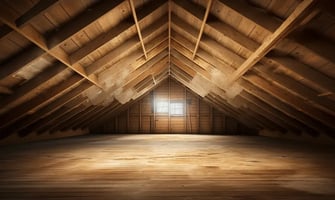
The most important thing to check is your attic insulation. Heat rises, so most of your home's heat tries to escape through the ceiling. That's why building codes require much thicker insulation in attics than in walls. Wall insulation is usually about 6 inches thick, but attic insulation should be 12-16 inches thick.
You can check this yourself without calling a professional:
- Go up to your attic with a tape measure and flashlight.
- Stick the tape measure straight down into the insulation. You should have about 12-16 inches of fluffy insulation. Older homes might only have 6 inches, which isn't enough anymore.
- Look for bare spots where insulation might have been moved and replace as needed.
Attic Insulation Depth Guide
| Insulation Depth | Condition | Recommendation |
|---|---|---|
| Under 8" | Insufficient | Add more insulation immediately |
| 8–12" | Fair | Add a top-up layer if bills are high |
| 12–16" | Ideal | No action needed |
| Over 16" | Excellent | Great efficiency, check ventilation instead |
Insulation settles over time, just like how a pillow gets flatter the more you use it. Sometimes people move insulation to install lights or do repairs, and never put it back. These bare spots let heat escape just like leaving a window open.
If your insulation is too thin, you can usually add more insulation on top of what's already there. If the old insulation is moldy, wet, or falling apart, then you need to remove it first and start fresh. Not all roofing companies offer insulation installation as a regular service, so you'll need to confirm if this is something your roofer provides.
Roof Upgrades That Actually Help With Heating
If you're looking to improve your heating through your roof, there are multiple methods depending on the type of roof you have.
Roof Upgrades That Improve Heating Efficiency
| Roof Type | Recommended Upgrade | Heating Impact | Best For |
|---|---|---|---|
| Metal Roof | Add low-e reflective underlayment | Reflects heat back into your home | Homes with newer metal roofs or cold north-facing slopes |
| Flat Roof | Add 2–3 inches of rigid foam insulation | Reduces major heat loss through a flat surface | Commercial or low-slope homes with older roofs |
| Shingle Roof | Ensure proper attic insulation and ventilation | Prevents heat escape and moisture buildup | Most standard residential homes |
| Any Roof | Ice & water shield (at eaves/valleys) | Prevents leaks, preserves insulation value | Cold-climate regions that are prone to ice dams |
Should You Get Heating Cables for Your Roof?
Heat cables are heavily advertised, but usually not needed in Central PA and Michiana. They're designed to prevent ice dams, not to heat your house.
Heat cables were more important in the past, before modern ice and water shield became standard. Now, ice and water shield does a better job of protecting your roof from ice damage.
Heat cables only make sense in special situations:
- Deep roof valleys where snow piles up and doesn't melt naturally
- North-facing roof slopes that never get direct sunlight
- Areas that regularly get several feet of snow at once
- Homes with gutters that freeze completely shut
- Regions with severe cold weather, like northern Maine or Alaska
For 90% of Central PA and Indiana homes, proper ice and water shield protection works better than heat cables. The shield creates a waterproof barrier under your shingles, so even if ice forms, water can't get into your house.
Understanding Roof Ice and Water Shields
An ice and water shield is a sticky, waterproof membrane that goes under your shingles near the roof edges.
Here's how it protects your home:
- Creates a "roof under your roof" that water can't penetrate
- Prevents water from backing up behind ice dams
- Stops leaks even if water gets under your shingles
Most homes need two rows of ice and water shield to meet building code. One row usually isn't enough because it needs to extend at least two feet inside the heated part of your house. With roof slopes and overhangs, it almost always requires two rows.
When you're getting a new roof, make sure your contractor installs proper ice and water shield. It's like insurance for your roof: you hope you never need it, but you'll be glad it's there if problems develop.
Don't Fall for These Common Roof Myths
Be careful of companies that promise huge heating savings from roof upgrades. Many of these claims are exaggerated because your roof actually affects cooling more than heating.
Common myths that companies use to sell unnecessary products:
- "This special underlayment will cut your heating bills in half."
- "Every home needs heat cables to stay warm."
- "Reflective barriers work the same under any type of roof."
- "Roof treatments are better than fixing your actual heating system."
- "You need expensive roof modifications to solve heating problems."
The truth is that good insulation and ventilation provide the biggest bang for your buck. Fancy roof products might help a little, but they can't fix major insulation problems or replace a properly working heating system.
When to Call a Professional Roofer
Fixing your heating problem may not require a new furnace: it might just mean fixing your roof. Many homeowners are surprised to learn that insulation gaps, poor ventilation, or minor leaks are quietly working against their heating systems, making the whole house feel colder than it should.
Now that you know how your roof can affect your home's comfort and efficiency, your next step is to take a closer look—or better yet, call in a roofer for a professional look. Start by checking your attic insulation for signs of moisture and note how your roof behaves after a snowfall. These small observations can reveal big problems.

At Equity Roofing, we help homeowners across Central Pennsylvania and Indiana understand how roofing issues tie into their comfort, energy efficiency, and long-term costs. If you're noticing high heating bills, uneven room temperatures, or mysterious cold spots, we're here to help you figure out what's really going on.
Leave a comment.