

Central Pennsylvania is no stranger to roof damage. The area's rainstorms, hail, and other...
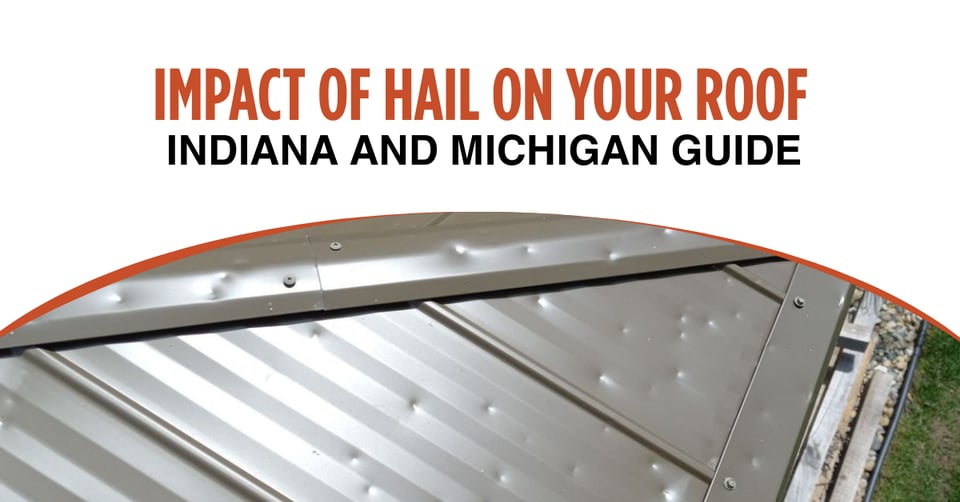
Unless you’re just an incredibly curious person who looks up random information for fun, you probably came across this article because you A) live in Indiana or Michigan, and B) had a hailstorm that you’re now worried has damaged your roof.
We get it. At Equity Roofing, we’ve taken care of hundreds of homeowners across Indiana and Michigan, and have seen the fallout of hail every winter. Homeowners either assume everything is okay because there are no leaks or missing shingles (only to find damage years later) or they panic after a small storm, when their roof is perfectly fine.
In this article, we’ll explain how hail actually damages a roof, what real hail damage looks like, when it becomes a serious problem, and when it makes sense to call a roofer or file an insurance claim—so you can make informed decisions instead of guessing.
How Often Does Hail Actually Hit Roofs in Indiana?
Most homes in Northern Indiana will experience various hailstorms throughout the year, though only one of those storms is usually severe enough to cause roof damage.
Smaller, non-damaging hail may fall two to three times a year, especially between April and September. These storms often affect tight geographic areas; one town may be hit hard while the next over is untouched.
For example, Goshen saw a major hailstorm in 2019, Middlebury in 2023, and Kendallville in 2024—each affected neighborhood required roof replacements of at least 500 homes.
What Makes Hail Actually Damage a Roof?
Hail causes damage when it’s large, dense, fast-moving, and hits an aging or vulnerable roof.
Hailstones over one inch in diameter (about the size of a quarter) can knock granules off shingles, bruise the surface, and eventually lead to leaks. Softer, slushy hail may not be a concern, but hard, fast-falling hail—even if they’re small—can leave lasting damage, especially on older roofs with worn shingles.
How Does Hail Affect Different Roofing Materials Like Shingles and Metal Roofs?
Hail affects roofing materials differently depending on their composition, strength, and age. Shingles tend to suffer more than metal, while trim is often the first to show visible signs of impact.
Here’s how the most common materials hold up:
Comparison of Roofing Materials and Hail Impact
| Roofing Material | Vulnerability | Common Damage |
| Asphalt Shingles | High | Granule loss, bruising, fractured mat |
| Metal Roof (Class 4 impact resistance) | Low to Moderate | Cosmetic denting |
| Aluminum/Copper Trim | Very High | Deep dents, bending, creasing |
If hail is strong enough to dent a metal roof, it likely did worse to any asphalt shingles nearby.
What Does Hail Damage Look Like on a Roof?
Hail damage often looks like granule loss, bruises, dents, or, in severe cases, cracked fiberglass beneath the shingles.
You may notice dark or bald spots where granules are missing. Soft bruises form when the impact weakens the shingle surface. More serious damage, like fractured matting, can go unnoticed until water seeps through years later. Dents in roof vents or gutters often indicate that hail has hit harder than it seemed.
How Can I Tell if My Roof Has Minor or Major Hail Damage?
The type of hail damage—granule loss, bruising, or fractured matting—tells you how serious the impact was, and whether it’s a long-term problem.
Here’s how to tell the difference:
Types of Hail Damage and What They Mean
| Damage Type | What It Looks Like | Severity | Long-Term Risk |
| Granule Loss | Bald or dark spots | Low | UV speeds aging, reduces protection |
| Bruising | Soft indentations | Moderate | May lead to a fractured mat over time |
| Fractured Matting | Exposed fiberglass, visible cracks | High | High risk of leaks and roof failure |
If your roof has fractured matting, it already has bruising and granule loss, and likely needs full replacement.

Can You Repair a Hail-Damaged Roof or Do You Have to Replace It?
A roof with only a few hail hits in small areas might be repairable, but anything more widespread usually requires full replacement.
Roofers use a common rule: if there are six or more hits in a 10x10-foot area, replacement is the safest option. Insurance companies follow similar guidelines, though some may require eight to ten hits before approving full coverage.
What Should I Look for After a Hailstorm? Can I Check for Damage Myself?
You can do a basic walkaround inspection after a hailstorm, but be aware that most damage isn’t visible from the ground.
Here’s what you can safely check:
- Dents in downspouts, gutters, or siding
- Shingles that look scuffed, lifted, or bald
- Visible dents on metal roof vents
If the hail was larger than one inch, call a roofer for a full inspection, regardless of what you see.
Can Hail Damage Get Worse Over Time If I Don’t Fix It?
Hail damage will almost always worsen over time, even if your roof looks fine immediately after the storm.
After hail knocks granules loose, rain will continue to wash them off slowly. The sun breaks down the exposed fiberglass matting, leading to cracks, holes, and eventually leaks. Without repairs, most roofs will show signs of failure within one to three years.
Is Hail Damage Covered by My Homeowners Insurance?
Hail damage can be covered by homeowners insurance, but claim approval often depends on documentation, patterns of damage, and persistence.
What to Expect When Filing a Claim
- Insurers look for clusters of damage, not just one or two spots
- You’ll need photos and videos as proof
- Sometimes, only partial repairs are approved at first
- Hiring a public adjuster can help if the insurer pushes back
What Should I Do If I Think My Roof Has Hail Damage?
If you suspect hail damage, don’t wait. Begin by checking for visible signs and documenting everything.
Here’s a simple action plan:
- Walk around your property and inspect gutters, vents, and siding
- Take photos or video of any suspected damage
- Call a roofer for a professional inspection
- Avoid waiting for a leak, which doesn't always happen immediately
Should I Schedule a Hail Inspection If I’m Not Sure About Damage?
At this point, you know how hail damages a roof, what that damage actually looks like, and why it often doesn’t show up right away. You also understand when repairs might be enough, and when replacement becomes the safer option.
If a hailstorm has hit your area, the biggest risk isn’t always immediate leaks. It’s assuming everything is fine simply because the roof looks okay from the ground. We’ve seen many Indiana and Michigan homeowners discover hail damage years later, after the roof’s lifespan had already been shortened.
If you’re considering a roof inspection—or even just thinking about one—your next step shouldn’t be scheduling it blindly. The smartest move is to understand what a proper inspection should include and what questions you should be asking so you can tell the difference between real guidance and pressure.
This guide on roof inspections walks you through the exact questions to ask, what answers you should expect, and how to protect yourself before any decisions are made.
At Equity Roofing, we’ve inspected and repaired hail-damaged roofs across Indiana and Michigan for years. Our goal isn’t to push replacements; it’s to help homeowners understand their roof, their options, and their next step with confidence.

.png?height=200&name=Why%20Ice%20Dams%20Form%20on%20Midwest%20Homes%20(And%20How%20to%20Stop%20Them).png)
Leave a comment.